Domaso on Lake Como: how do you explore beyond the waterfront?

Domaso is easy to associate with open water, beach time and the northern lake’s sailing scene. Yet a short distance from the shore, its older streets offer another kind of visit: close-set houses, changes of level and glimpses that repeatedly reconnect the village with the lake. Plan a modest walk between those two scales. You do not need to turn every lane into a historic monument to enjoy the way the settlement is put together.
Place Domaso on the right part of the lake
Domaso sits on Lake Como’s western shore near its northern end, at the mouth of the Livo torrent. It is not a neighbourhood of Como city and should not inherit a Como-centre travel estimate. Check the journey from your actual accommodation, including the return. A route that works neatly from a nearby northern base may be a substantial excursion from the southern lake or Milan.
The official North Lake Como tourism description presents both its former fishing-village character and its modern association with watersports. Those are useful contexts, not instructions to choose one authentic version and dismiss the other. Places continue to change. A working accommodation, shop or recreation business can be part of the present village without making the older street pattern less interesting.
Walk in from the broad view
Begin by understanding the relationship between shore, road and settlement. Where a pedestrian route is provided, use it; do not assume that a lakeside road has a continuous pavement or that every attractive opening is public. A current local map is useful for orientation, but conditions at a crossing or path entrance still deserve attention. Pause somewhere safe before looking down at your phone rather than drifting into traffic while following a blue line.
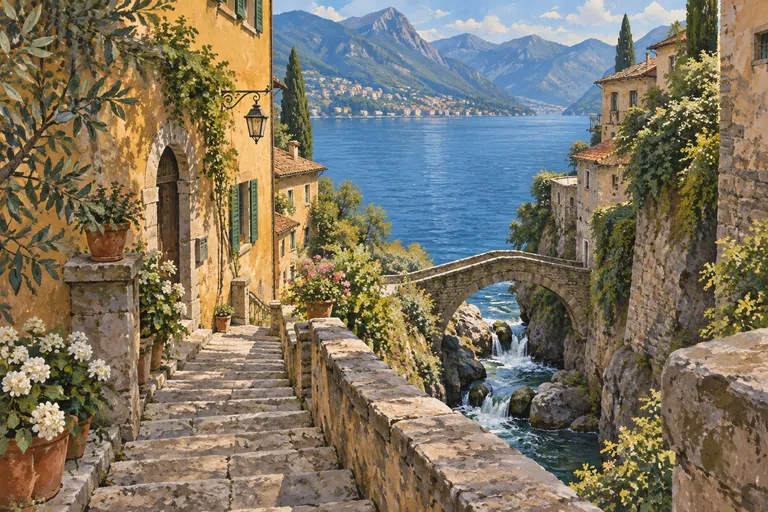
In the older centre, notice how narrow streets concentrate the view. A turn may replace a wide lake panorama with a doorway, wall surface or short flight of steps. The official guide mentions steep cobbled lanes, locally called strecc. Comfortable footwear and a willingness to turn back are more useful than a determination to follow a perfect loop. Wet stone, slopes and steps can change what feels manageable.
Read buildings without inventing access
Villa Camilla provides a good example of why a building’s present use matters. The official heritage account identifies it as Domaso’s town hall and describes its position near the lake, separated from it by the Regina road. Do not turn a heritage description into a promise that the interiors are open for casual sightseeing. Municipal business, events and visitor arrangements can follow different schedules. Check the current information if the villa is a particular interest.
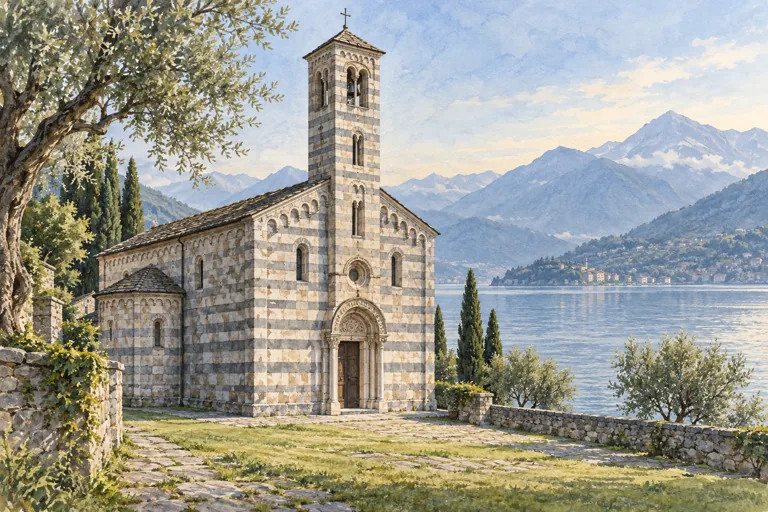
The same principle applies to churches and other local buildings. A façade can be studied from a public place even when an interior is closed, while an open door may serve worship rather than tourism. Look at proportions, materials and the relation to the street. Avoid assigning a date to every visible detail from a general statement about a building’s origins; later alterations are part of its history too.
Treat the landscape as a setting, not an activity guarantee
Domaso’s tourism identity includes wind and watersports, but a description of the Breva is not a weather forecast. A sail on the horizon does not establish that a lesson, rental or boat trip is available or suitable that day. If you want to go onto the water, make a separate decision using the operator’s conditions, current weather advice and your own ability. A village walk remains a satisfying plan without an unplanned activity purchase.
Terraces and vineyards above the settlement add another layer to the view. They are not automatically public walking routes or drop-in tasting venues. For a cultural comparison nearby, Santa Maria del Tiglio in Gravedona offers a focused architectural subject, while Piona Abbey near Colico requires its own route and visitor checks. Do not let geographical proximity erase the practical differences.
Choose a comfortable amount of northern lake
A good Domaso visit can consist of a waterfront interval, a careful wander through the older streets and a meal or pause. It need not be padded with distant villas simply to make the day appear important. Our guide to choosing a Lake Como base helps explain why departure location shapes what is realistic. If you are travelling from Milan, read the Milan day-trip guide before assuming that every lakeside town fits the same short outing.
Browse our Lake Como village experiences for guided alternatives, checking where each actually starts and which towns it names. Domaso deserves to be understood in its own location. The reward for slowing down is not a secret route or guaranteed empty view, but a clearer sense of how the broad lake and the intimate village belong together.
Sources & further reading
Turn a good read into a great day.
Find a highly rated Lake Como experience that brings these stories to life.
Explore related experiences →